
Why College Club Lacrosse Is Becoming a Real Choice
COLLEGE LACROSSE
College Choice
For more players, the MCLA offers serious competition, campus fit, and ownership of the college experience.
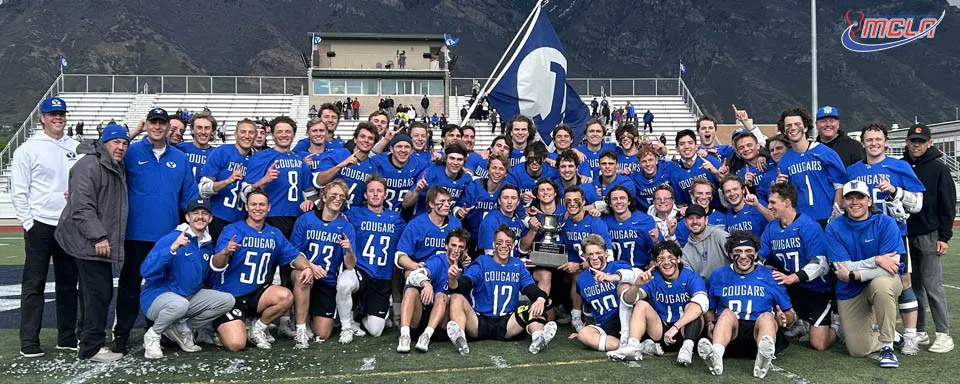
BYU celebrates its 2024 Rocky Mountain Lacrosse Conference title. Photo: MCLA.
The college lacrosse decision is changing. — whether a player could make a varsity roster. Now, a growing share of athletes is asking a different — For years, the conversation centered on NCAA divisions and
question: can I find a school I love and still play meaningful, organized lacrosse? The Men’s Collegiate Lacrosse Association has become one of the clearest answers.
| 183+ | 42 | 2 |
|---|---|---|
| MCLA teams | U.S. states represented | countries represented |
A national alternative with real structure
The MCLA is not a casual intramural outlet. The association organizes more than 183 non-varsity college teams across nine conferences, with eligibility rules, national rankings, awards, conference championships, and national tournaments. Its footprint runs from New England to the Pacific Northwest, through the South and Midwest, and into Canada. That scale gives prospective players something valuable: a chance to choose a university for academics, geography, campus life, or cost without automatically closing the door on competitive lacrosse.
The appeal is especially strong for players who want the full college experience. They can attend large universities with deep alumni networks and broad academic menus, join an established team culture, and still play a spring schedule with stakes. An MCLA coach interviewed by the association described the modern player pool as full of legitimate athletes, noting that many could compete at NCAA Division II or III programs but prefer the broader campus fit and experience.
What players are choosing
Competitive games with a postseason path — — berths create a clear spring objective. In 2026, the MCLA Division I field brought 16 teams to the River — Conference tournaments and national championship
City Sportsplex in Midlothian, Virginia; BYU defeated Virginia Tech 16-13 in the title game.
A program players help build — — fundraising, travel, social media, and community. That responsibility is not for every athlete, but for — Club teams commonly rely on student leadership for recruiting,
many it becomes the feature: players graduate with ownership experience as well as game film.
A college-first recruiting lens — — future engineer, business major, pre-med student, or out-of-region student can identify the right college — MCLA prospects can start with the institution rather than the roster. A
and then find a competitive lacrosse home.
Four schools that show the MCLA range
The MCLA is not one type of school or program. These four programs illustrate the national league’s variety: established title contenders, major research universities, large-campus traditions, and coastal public-school options.
Brigham Young University
Rocky Mountain Lacrosse Conference • Division I
BYU represents the championship end of MCLA lacrosse. The Cougars’ 2026 national title, their sixth overall according to MCLA championship coverage, is a reminder that the top programs demand preparation and depth. For recruits, BYU is the proof point that club status does not mean low expectations.
BYU team celebration, 2024 RMLC championship. Photo: MCLA.
Virginia Tech
Atlantic Lacrosse Conference • Division I
Virginia Tech pairs a large public-university experience with a program that reached the 2026 MCLA Division I championship game. It is a strong example of the campusfirst proposition: big-school traditions and a lacrosse pathway that can still end on the national stage.
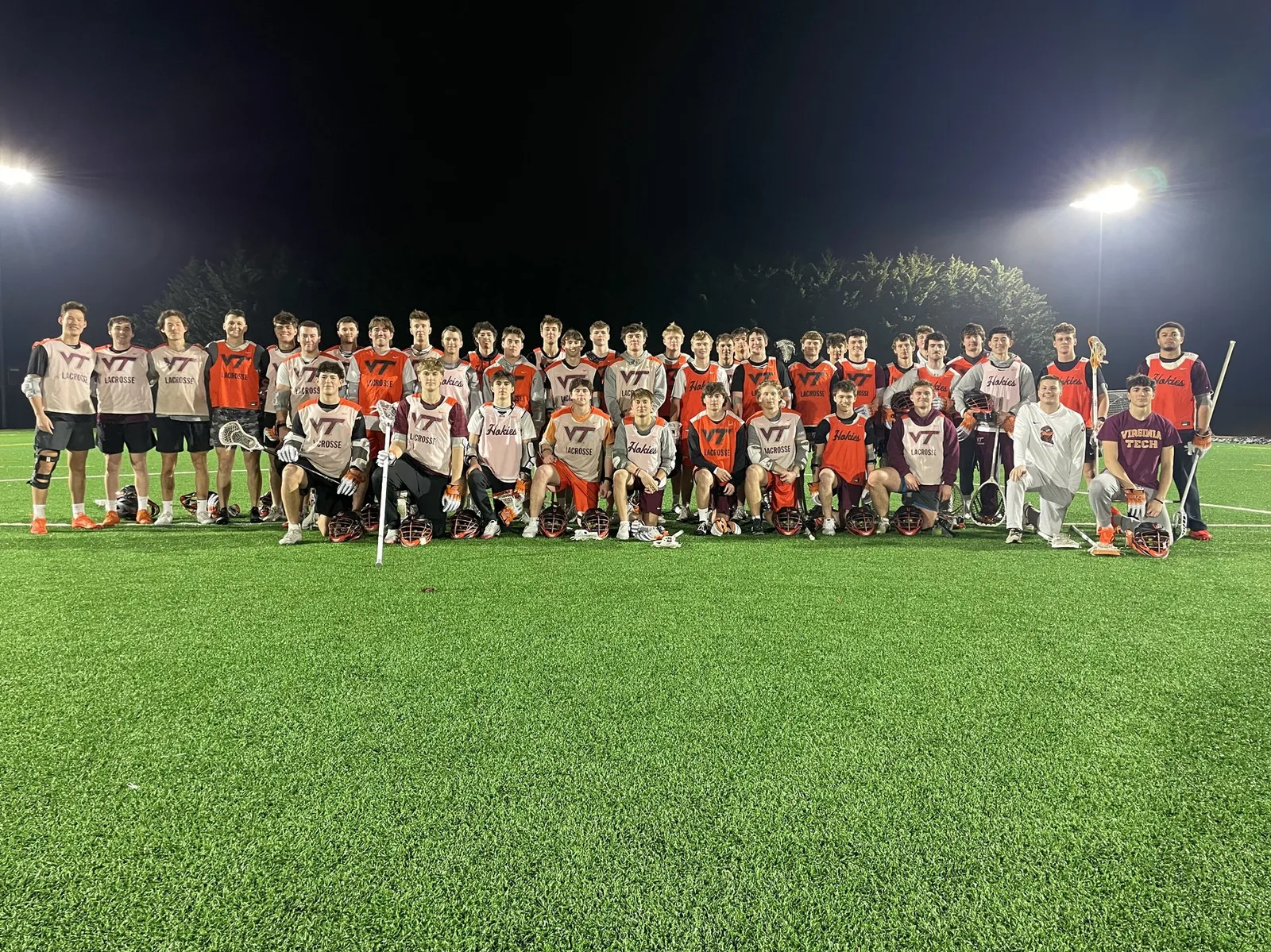
Virginia Tech Men’s Lacrosse team photo, 2026. Photo: MCLA.
Boston College
Continental Lacrosse Conference • Division I
Boston College puts an MCLA option inside a private, academically selective Northeast campus. The CLC’s Division I slate includes regional opponents such as UConn, Northeastern, Syracuse, Pittsburgh, Buffalo, and New Hampshire, giving players a recognizable regional competitive structure.
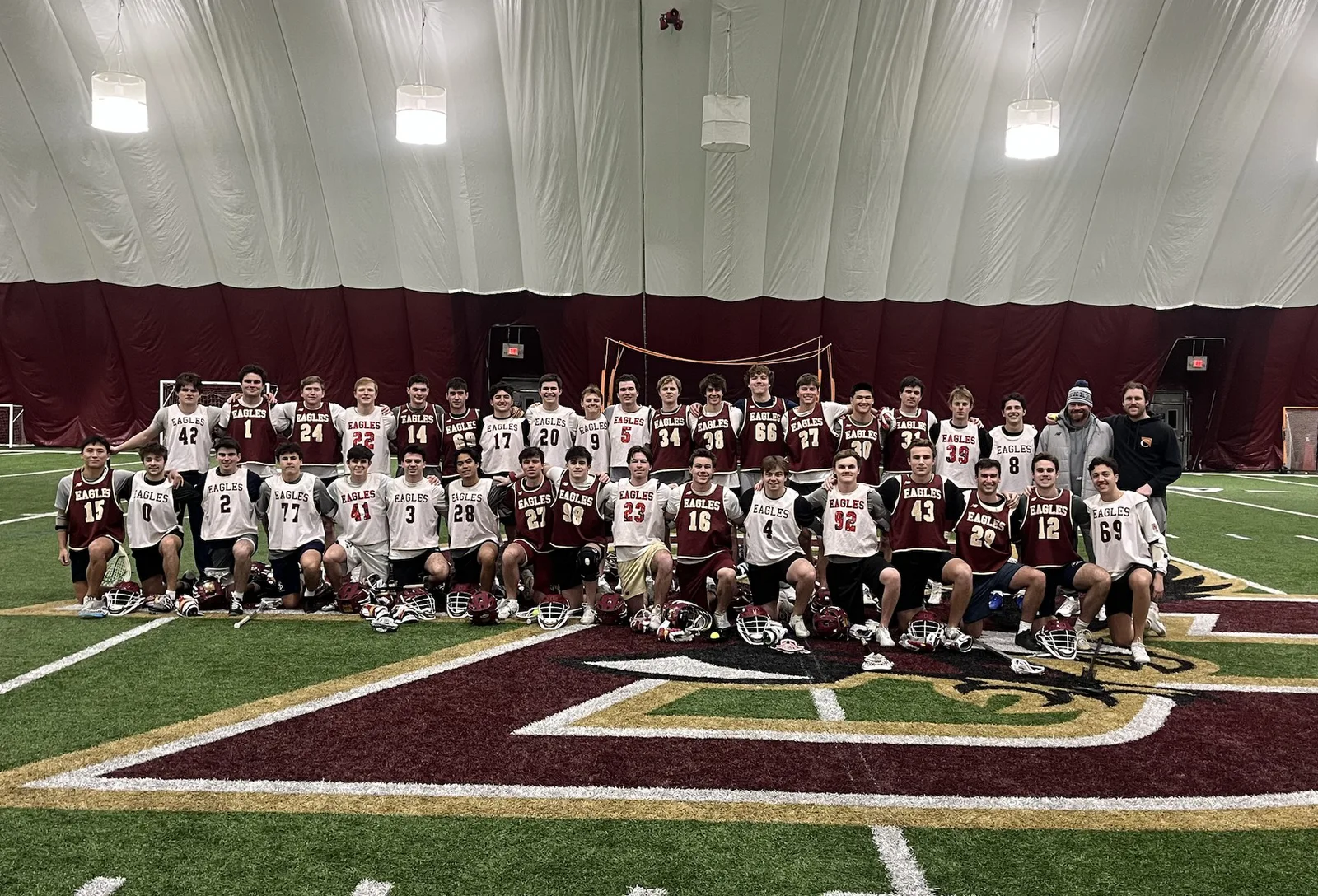
Boston College Men’s Lacrosse team photo, 2026. Photo: MCLA.
Cal Poly
Western Collegiate Lacrosse League • Division I
Cal Poly reflects the West Coast side of the MCLA map. The WCLL includes programs from California and Nevada, while the national association creates a route beyond local play. For a player weighing campus setting heavily, it is a useful reminder that collegiate lacrosse opportunities now extend far beyond the traditional hotbeds.
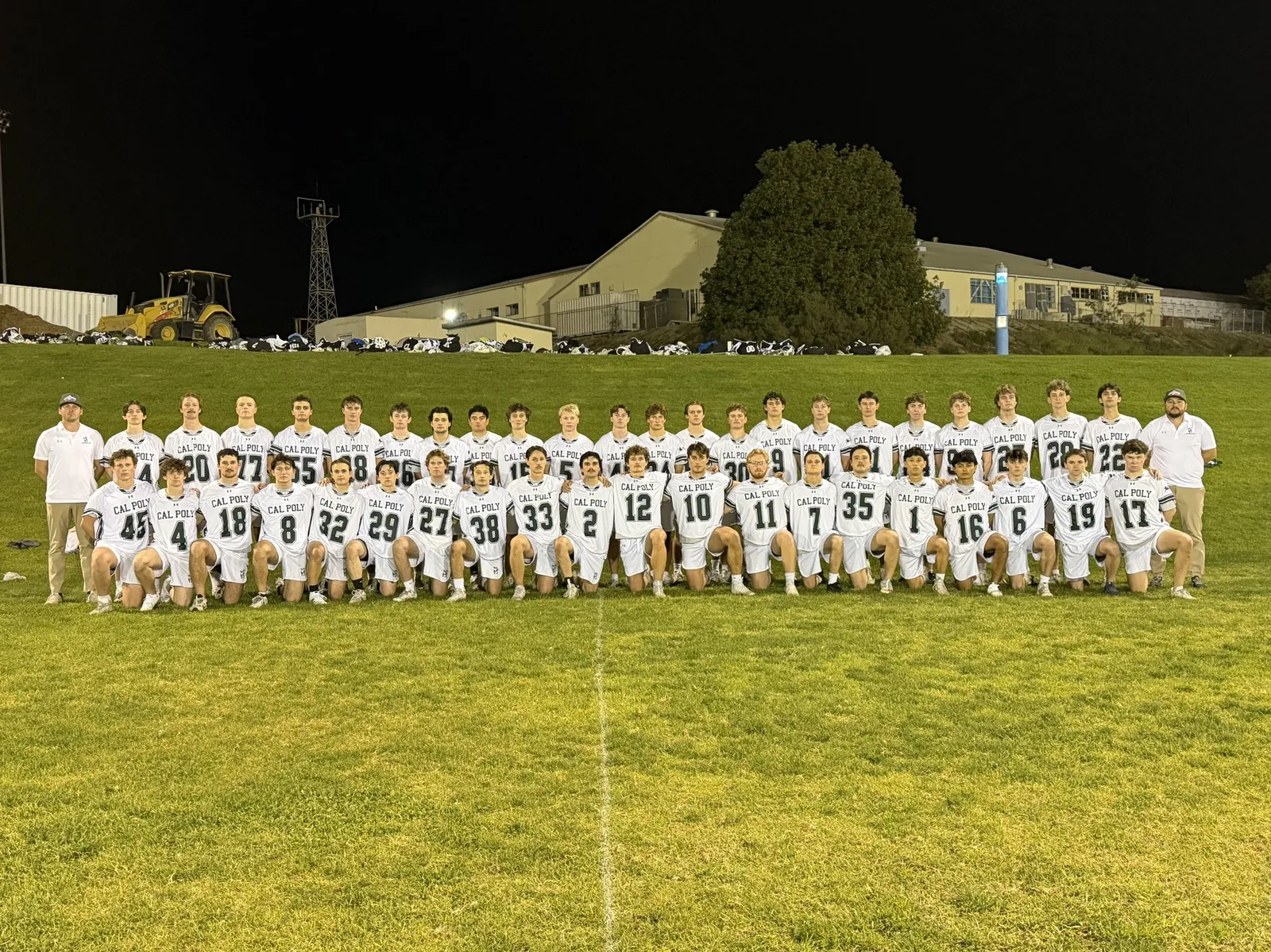
Cal Poly Men’s Lacrosse team photo, 2026. Photo: MCLA.
The recruiting takeaway
High school players should treat club lacrosse as a serious branch of the college search, not a fallback to review after NCAA recruiting ends. The right questions are practical: How many players does the team carry? What are the dues and travel expectations? Who coaches? How much support does campus recreation or the university provide? What does the weekly commitment look like in season? And how stable is the leadership group?
Sources and image credits
MCLA About: https://mcla.us/about — association footprint, governance, and mission. MCLA Teams and Conferences: https://mcla.us/teams and https://mcla.us/conferences — 2026 team and conference alignment. MCLA National Championships: https://mcla.us/tournaments/championships — 2026 tournament field and results. MCLA Eligibility: https://mcla.us/eligibility — current enrollment and eligibility framework. MCLA Preview Stay or Go: https://mcla.us/articles/preview-stay-or-go — perspective on player quality and college experience. All team photos and school marks reproduced from the official MCLA team pages: https://mcla.us/teams/brigham-young/2026/roster, https://mcla.us/teams/virginia-tech/2026/roster, https://mcla.us/teams/boston-college/2026/roster, and https://mcla.us/teams/cal-poly/2026/roster. Accessed November 12, 2026.